
vape weed
A weed vape is a device that heats cannabis material, like dry herb or oil.
It warms it enough to release active compounds as vapor, without burning.
This can be a healthier and more discreet option than smoking. These devices come in various forms, including desktop units, portable vaporizers, vape pens, and disposable options.
Cannabis vaporizers often called “vapes” or “weed vapes,” are a major new way to deliver cannabinoids to the body. Unlike traditional combustion, which burns plant material at 600°C to 900°C vaporization uses controlled heat. It turns active compounds into an inhalable aerosol without ignition.
Researchers and consumers widely see this process as a cleaner choice than smoking. It greatly cuts the intake of carbon monoxide, tar, and cancer-causing byproducts The Science of Vaporization
The main idea behind a cannabis vaporizer is to use heat to decarboxylate cannabinoids and terpenes. It then turns them into an inhalable vapor. Most vaporizers operate within a temperature range of 160∘C to 220∘C (320∘F to 428∘F). Heating Methods: Conduction vs. Convection
Two primary methods heat the material.
- Conduction: This uses direct contact between cannabis (flower or oil) and a heated surface.
- The surface can be a ceramic or stainless-steel oven.
- Conduction is efficient and heat fast
- However, it can cause uneven heating or hot spots.
- This can happen if you do not stir the material.
- Convection: This method uses hot air to pass through or around the material. The cannabis does not touch the heating element directly.
- People often praise convection for better flavor and more even extraction. However, convection devices are often larger. They also cost more
- Types of Cannabis Vaporizers
The vaporizer market has expanded into several clear categories. These groups depend on the materials used and the device’s portability
Dry Herb Vaporizers
Designed specifically for raw cannabis flower, these devices feature an internal oven or chamber. High-end models like the Storz & Bickel Volcano (desktop) or the PAX Plus (portable) allow users to experience the full “entourage effect”—the synergistic interaction of cannabinoids and terpenes—without the toxins associated with smoke.
Oil and Distillate Vapes (Vape Pens)
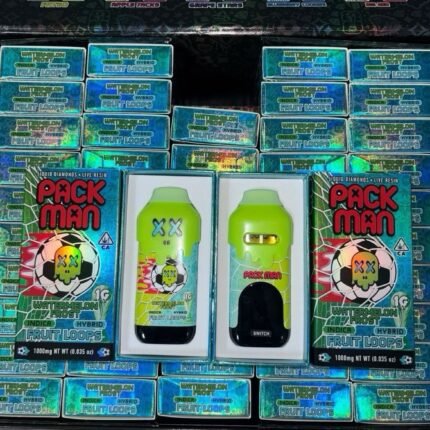
These are the most common “weed vapes” found in modern dispensaries. They typically consist of a battery and a cartridge (cart).
- Distillate: Highly refined oil containing primarily THC. It often has terpenes added back in for flavor.
- Live Resin/Rosin: Extracted from fresh-frozen plants to preserve the original terpene profile, offering a flavor closer to the actual plant.
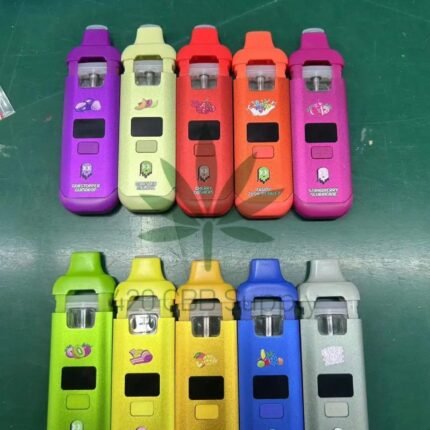
- Disposable vs. Rechargeable: Disposables are all-in-one units intended for one-time use, while rechargeable systems (like the 510-thread battery or proprietary pod systems like PAX Era) allow users to swap cartridges.Concentrated/Dab Pens
Specifically designed for “dabbing” solid or semi-solid concentrates like wax, shatter, or budder. These devices, such as the Puffco Plus, utilize a ceramic “nail” or atomizer to flash-vaporize the concentrate. Components of a Vaporizer System. weed vaping
Modern vaping technology has expanded beyond traditional Delta-9 THC. Consumers now have access to various hemp-derived and minor cannabinoids.
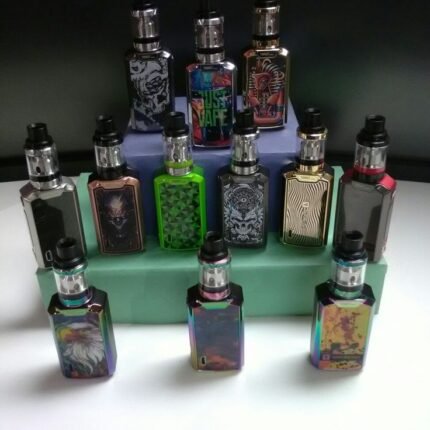
Most portable vape pens share a standard architecture.
The part through which the user inhales the vapor.Contains a coil (often ceramic or metal) that heats the oil or herb.The reservoir holding the cannabis oil or flower. Battery Provides the electrical current to the atomizer. Many modern batteries offer variable voltage settings, allowing users to customize the temperature of their hit. Cannabinoid Profiles in Vaping
Modern vaping technology has expanded beyond traditional Delta-9 THC Consumers now have access to various hemp-derived and minor cannabinoids
Health and Safety Considerations
While vaporization is generally considered a harm reduction technique compared to smoking it is not without risks
The 2019 EVALI (e-cigarette or vaping product use-associated lung injury) outbreak was largely linked to illicit market cartridges containing Vitamin E Acetate as a cutting agent. Authoritative sources emphasize the importance of purchasing lab-tested products from licensed dispensaries to ensure the absence of heavy metals, pesticides
and harmful additives like PG (Propylene Glycol) or VG (Vegetable Glycerin).
yannick (verified owner) –
Out of State customer
I live out of state, the handling of everything was great, fast shipping, they were super helpful and kind. Products were amazing. Will be using over and over!!