
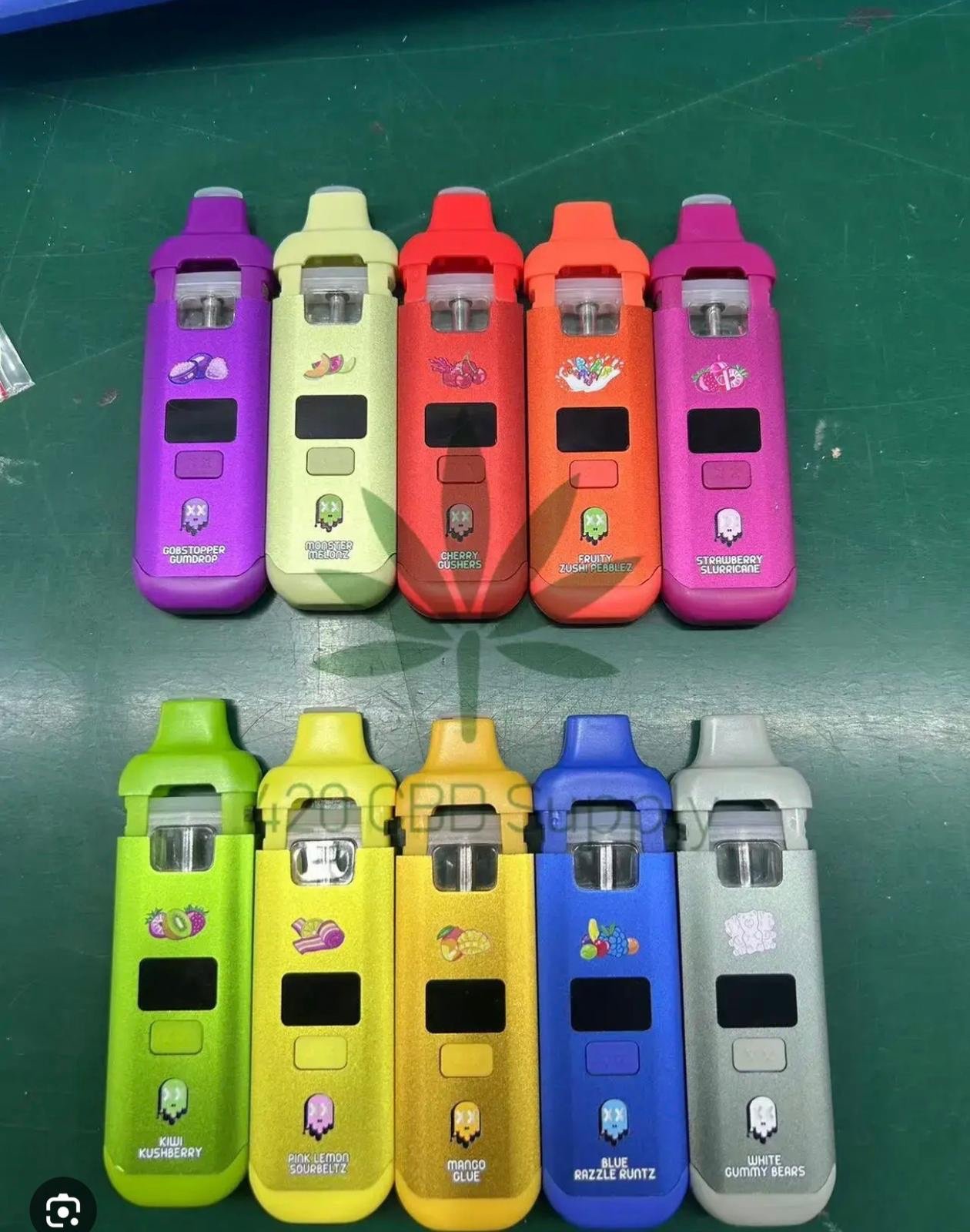
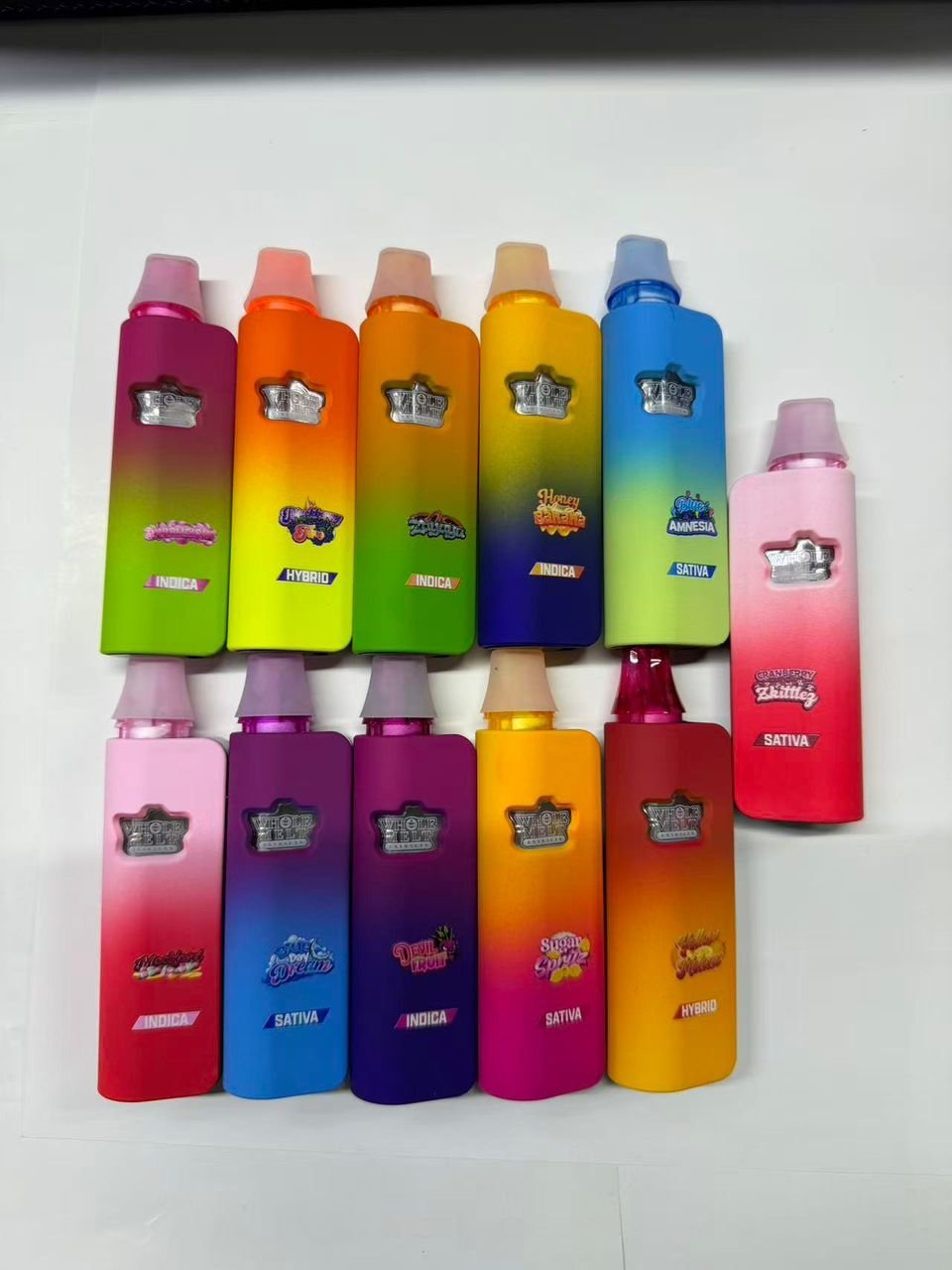
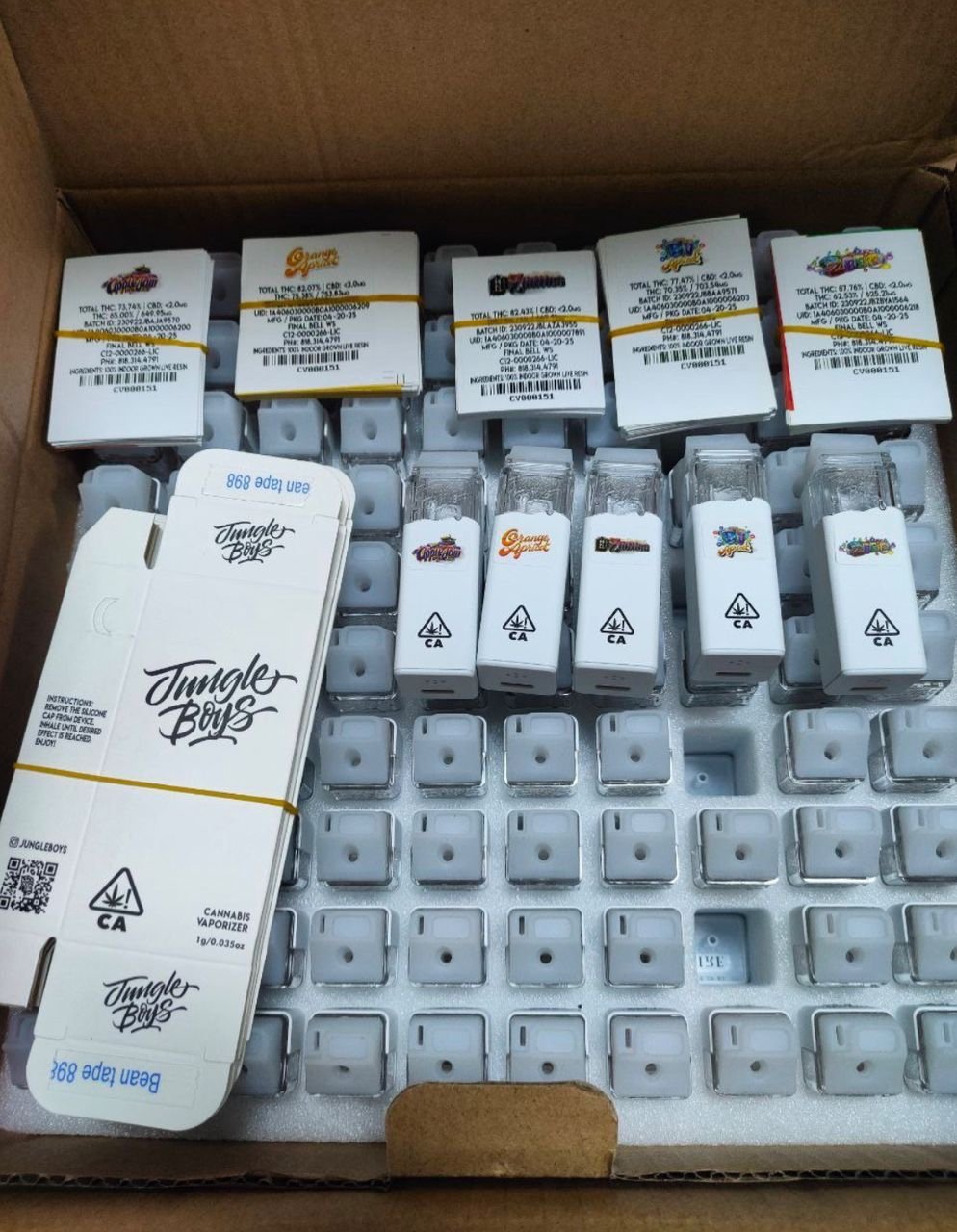
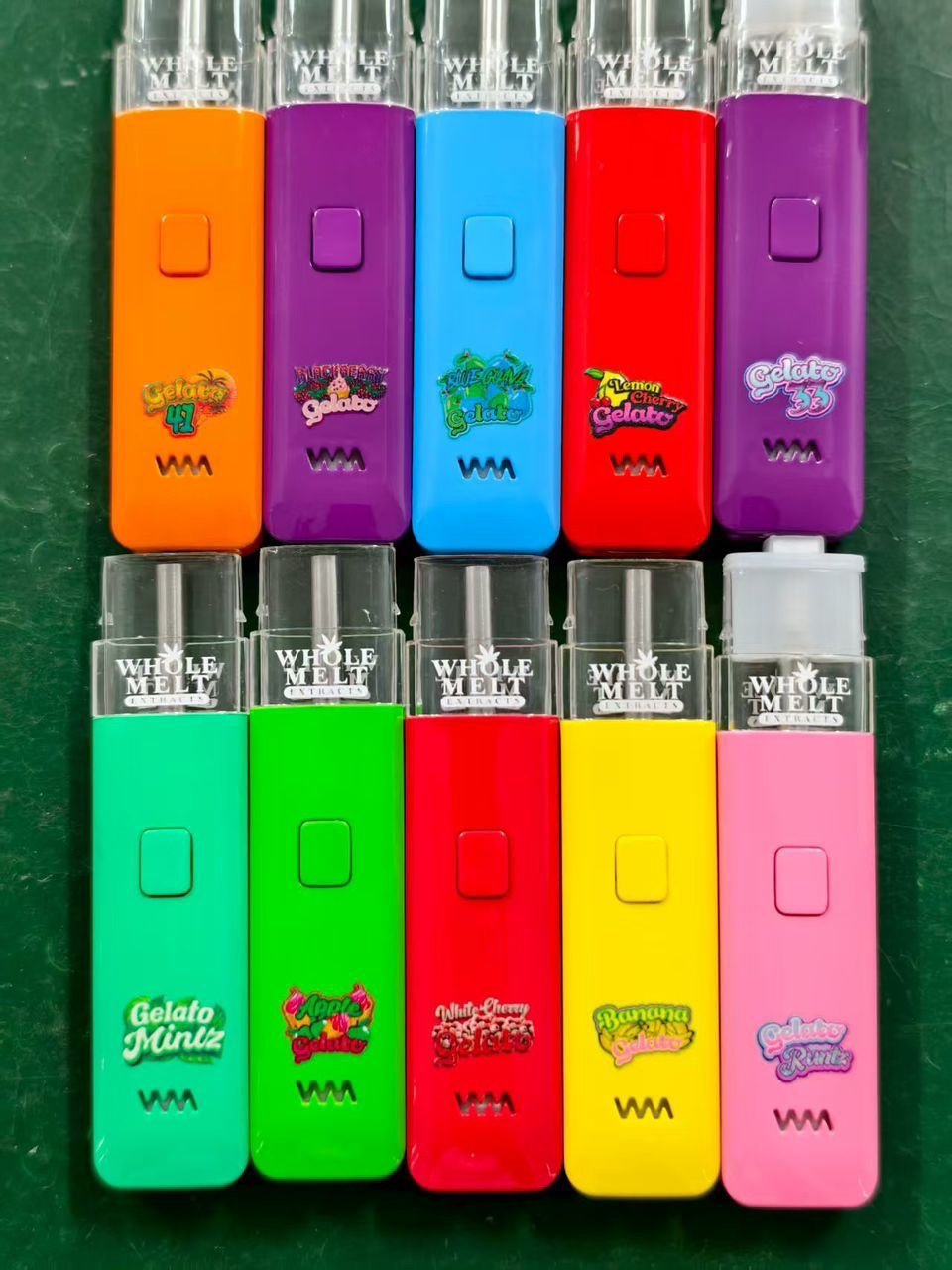

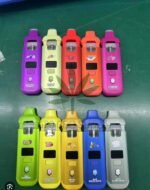
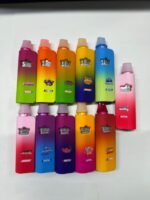
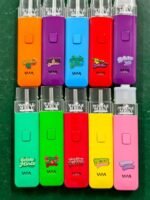
Empty vapes Understanding Disposable Vapes: Technology,
Composition, and Market Trends
Empty vapes Disposable vapes, also known as single-use electronic nicotine delivery systems (ENDS), represent a significant evolution in the history of tobacco and nicotine consumption. Unlike traditional modular systems, disposable vapes do not need manual refilling or coil replacement.
Manufacturers integrate them as single-use units that you discard after the pre-filled liquid runs out.
People also discard them when the internal battery runs out.
These devices typically include a lithium-ion battery and a sensing mechanism for draw activation.
They also have a heating element called an atomizer.
They contain a reservoir with nicotine salts dissolved in a humectant solution.
The rise of disposable vapes began with early cigalike models in the 2000s. Modern versions became hugely popular around 2019. This growth followed the launch of high-strength nicotine salts.
Nicotine salt technology uses an acid, often benzoic acid, to lower the nicotine solution’s pH. This lets users inhale higher nicotine levels with less throat irritation than freebase nicotine. This chemical innovation, paired with easy draw-activated firing, has made disposables the top product in vaping.
With these systems, the user inhales to trigger the heating element.
Disposables now lead the global vaping market Empty vapes.
Technical Elements and Engineering
The internal architecture of a modern disposable vape is a marvel of miniaturized consumer electronics. At its core is the battery, usually a non-removable lithium-ion cell. In older models, designers made these batteries die at approximately the same time the e-liquid ran out Empty vapes.
However, as consumer demand for higher puff counts increased, manufacturers transitioned to rechargeable disposable models. These devices have a USB-C charging port.
It lets users use a much larger e-liquid tank, often 10ml to 20ml.
One battery charge alone could not support that amount.
The heating element, or coil, has also seen significant advancement. Most premium disposables now utilize “mesh coils.” Unlike traditional wire coils, mesh coils have more surface area.
This lets them touch the e-liquid-soaked wick better. The wick is usually organic cotton or synthetic fibers. This results in more even heating, reduced “dry hits,” and enhanced flavor production.
Some advanced models, such as those produced by Geek Bar or Raz, utilize dual-mesh technology and “boost” modes. These modes raise the wattage sent to the coil. This can double vapor output, but it uses e-liquid and battery faster.
Chemical Makeup of E-Liquids
The juice inside a disposable vape is a complex mixture of several key ingredients. The base typically consists of a ratio of Vegetable Glycerin (VG) and Propylene Glycol (PG). VG makes the vapor clouds thick
PG carries the flavor and gives the throat hit many former smokers want
The nicotine used in disposables is almost exclusively “Nicotine Salt.” The chemical formula for nicotine protonation is: Nic + HA → NicH⁺ + A⁻.
HA is an organic acid, like benzoic acid or citric acid This reaction creates a stable salt.
It absorbs into the bloodstream faster Empty vapes.
It mimics the pharmacokinetic profile of a traditional combustible cigarette.
Flavorings are the final component.
They often use food-grade esters and aldehydes.
These create profiles from “Blue Razz Ice to complex dessert flavors.
Market Transformation and Modular Breakthroughs
The industry is currently shifting toward “modular” disposables to address environmental concerns regarding lithium battery waste. Brands like Off Stamp and Foger now use systems with a separate, reusable battery.
The battery holds the costly electronics and creates most environmental impact. It attaches by magnets to a disposable e-liquid pod. This hybrid approach bridges the gap between traditional pod systems and the convenience of disposables.
Furthermore, the integration of technology has led to the Mega-HD screen era. Modern disposables often have full-color LED or LCD screens Empty vapes.
These screens show real-time data, like battery percentage and e-liquid levels.
Some also show animations that play during inhalation. Safety features have also become standard in reputable brands, including overcharge protection, short-circuit protection, and child-proof locking mechanisms to prevent accidental activation
Regulatory Environment and Community Health
The fast growth of the disposable vape market has drawn close attention from global health groups and regulators like the FDA. Regulations often focus on flavor bans, limits on nicotine strength, and marketing aimed at youth.
Proponents say disposables are a vital, easy tool for adult smokers who want to quit. Critics point to high nicotine dependence among non-smokers. They also warn about the environmental harm from millions of discarded plastic and lithium devices.
Gilberto –
Customer Service was great and delivery…
Customer Service was great and delivery was fast
jason –
Variety, prices, shipping, everything has been great ordering from flavoursweetuk Vape!
Willian –
Best delivery service in town
Best delivery service in town! Always a nice selection great pricing and helpful kind staff !
aaron –
FI only order from this site
I only order from this site. It’s so good and reliable and well priced that I have been reluctant to write a review for fear that I’m revealing the vape worlds best kept secret! It my orders always come fast as well!
Kathrin –
Love It
Love the product, taste good, and met my expectations. On time fair price quality
Sally –
Super happy with my order. I’ll be buying from them more often. The reward system is cool too