

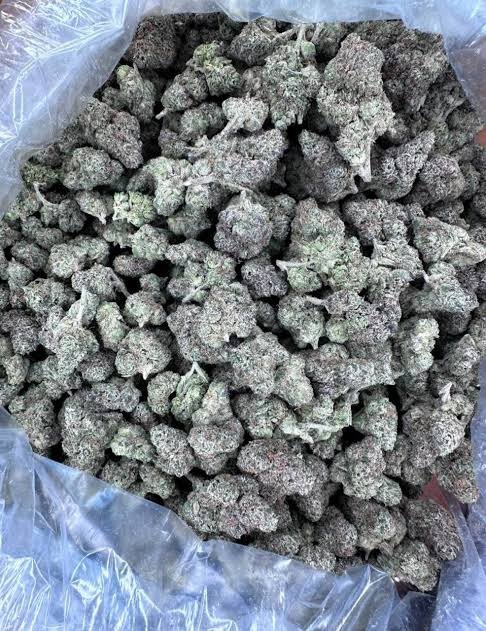
If you’re new to learning about cannabis, you’ve probably encountered terms like Indica, Sativa, CBD, THC, terpenes, and extracts. However, these words can seem confusing when you first encounter them in educational resources and scientific discussions.
Fortunately, learning the basic terminology makes these topics easier to understand. This guide explains common cannabis terms in simple language and explores the plant’s main components.
What Are Cannabis Strains?
A cannabis strain refers to a particular variety developed through selective cultivation. Breeders may select plants for characteristics such as aroma, appearance, and chemical composition.
Traditionally, people have grouped cannabis varieties into three broad categories: Indica, Sativa, and Hybrid. However, these labels do not always accurately predict a plant’s chemical profile or effects.
Indica
Indica varieties traditionally describe plants with shorter, bushier growth patterns and broader leaves. Historically, botanists associated these plants with certain regions of Asia.
Nevertheless, modern crossbreeding makes it difficult to classify every variety using appearance or traditional labels alone.
Sativa
Sativa plants traditionally describe taller growth patterns, narrower leaves, and, in some varieties, longer flowering periods.
Similarly, historical classifications linked certain Sativa varieties with warmer climates. Today, however, genetics and growing conditions can produce considerable variation.
Hybrid
Hybrid varieties combine genetics from different cannabis lineages. As a result, many modern varieties contain a mixture of traits traditionally associated with Indica and Sativa plants.
Furthermore, extensive crossbreeding has made these categories less precise. Consequently, researchers often examine cannabinoid and terpene profiles to describe a plant’s chemical characteristics more accurately.
What Are Cannabinoids?
Cannabinoids are naturally occurring chemical compounds found in cannabis. Researchers have identified more than 100 cannabinoids, although scientists continue to investigate their individual properties and functions.
Among the best-known examples are THC and CBD. Other cannabinoids, meanwhile, contribute to the plant’s chemical diversity.
THC (Tetrahydrocannabinol)
THC is one of the most widely studied cannabinoids in cannabis. It is associated with the plant’s intoxicating effects and interacts with the body’s endocannabinoid system.
However, THC concentrations vary between varieties and preparations. Therefore, a plant’s name alone cannot reliably establish its cannabinoid content.
CBD (Cannabidiol)
CBD is another well-known cannabinoid that has attracted considerable scientific attention. Unlike THC, CBD does not typically produce the same intoxicating effects.
Nevertheless, researchers continue to investigate CBD’s properties, potential applications, and safety considerations.
Minor Cannabinoids
Besides THC and CBD, scientists study several additional cannabinoids. These include:
- CBG: Cannabigerol.
- CBN: Cannabinol.
- CBC: Cannabichromene.
- THCV: Tetrahydrocannabivarin.
- CBDV: Cannabidivarin.
Although researchers have investigated these compounds to varying degrees, many questions remain unanswered. For this reason, readers should distinguish established scientific findings from preliminary research.
Understanding Terpenes
Terpenes are aromatic compounds that many plants naturally produce. They contribute to the distinctive scents of herbs, fruits, flowers, and spices.
In cannabis, different combinations of terpenes help create distinctive aroma profiles. For example, some varieties smell citrusy, while others have earthy, floral, or peppery characteristics.
Myrcene
Myrcene is commonly associated with earthy, herbal, and musky aromas. It also occurs in various other plants.
Limonene
Limonene has a bright citrus fragrance similar to the scents of lemons and oranges. Consequently, it often appears in discussions about citrus-like aromatic profiles.
Pinene
Pinene produces a fresh, pine-like scent reminiscent of evergreen forests. In addition, it occurs naturally in several trees and aromatic plants.
Caryophyllene
Caryophyllene has a spicy, pepper-like aroma. It also occurs in black pepper and cloves.
Linalool
Linalool is associated with floral aromas, particularly lavender-like notes. Similarly, it appears in several flowers and aromatic plants.
Importantly, a terpene’s aroma does not independently establish a cannabis product’s potency, safety, or effects.
What Are Cannabis Extracts?
Cannabis extracts are preparations made by separating selected compounds from cannabis plant material. Depending on the extraction method, the final product may contain different combinations and concentrations of cannabinoids and terpenes.
Common extract types include:
- Oils
- Concentrates
- Rosin
- Live resin
- Distillates
- Full-spectrum extracts
- Broad-spectrum extracts
Although these products fall under the broad category of extracts, their compositions can differ considerably. Therefore, the extraction method and available laboratory information matter when interpreting product descriptions.
What Does “Full Spectrum” Mean?
Full-spectrum extracts generally aim to retain a broad range of naturally occurring compounds from the cannabis plant. These may include cannabinoids, terpenes, flavonoids, and other plant compounds.
For example, you can learn more about scientific terminology through Google, which provides access to educational resources and research publications.
Broad-spectrum extracts also contain multiple compounds. However, their cannabinoid profiles differ according to the manufacturing process, and some formulations aim to remove or reduce particular cannabinoids.
As a result, the terms full spectrum and broad spectrum describe different product compositions rather than guaranteeing a particular quality or effect.
Why Does Cannabis Terminology Matter?
Understanding cannabis terminology helps readers interpret educational materials, scientific studies, and industry discussions more accurately.
Furthermore, learning the differences between cannabinoids, terpenes, strains, and extracts makes it easier to understand how researchers describe cannabis.
As scientific research continues, readers can benefit from checking reliable sources and distinguishing evidence-based information from unsupported claims.
Frequently Asked Questions About Cannabis Terminology
How many cannabinoids are found in cannabis?
Researchers have identified more than 100 cannabinoids. Additionally, ongoing research continues to expand scientific understanding of the plant’s chemical composition.
Are strains the best way to classify cannabis?
Traditional strain labels remain common. However, they do not always predict a plant’s chemical profile accurately. Cannabinoid and terpene analyses can provide more specific information about a particular sample.
What are terpenes?
Terpenes are naturally occurring aromatic compounds found in cannabis and many other plants. For example, they contribute to the characteristic scents of citrus fruits, lavender, pine trees, and herbs.
What are cannabis extracts?
Cannabis extracts are preparations created by separating compounds from plant material. Depending on the method, they may contain different concentrations and combinations of cannabinoids and terpenes.
Final Thoughts
Cannabis contains a diverse combination of cannabinoids, terpenes, flavonoids, and other naturally occurring compounds. Although traditional strain names remain widely used, they do not tell the whole story about a plant’s chemical composition.
Ultimately, understanding cannabis terminology provides a useful foundation for exploring scientific discussions and educational resources. By learning these key concepts, readers can interpret cannabis-related information more confidently and critically.