

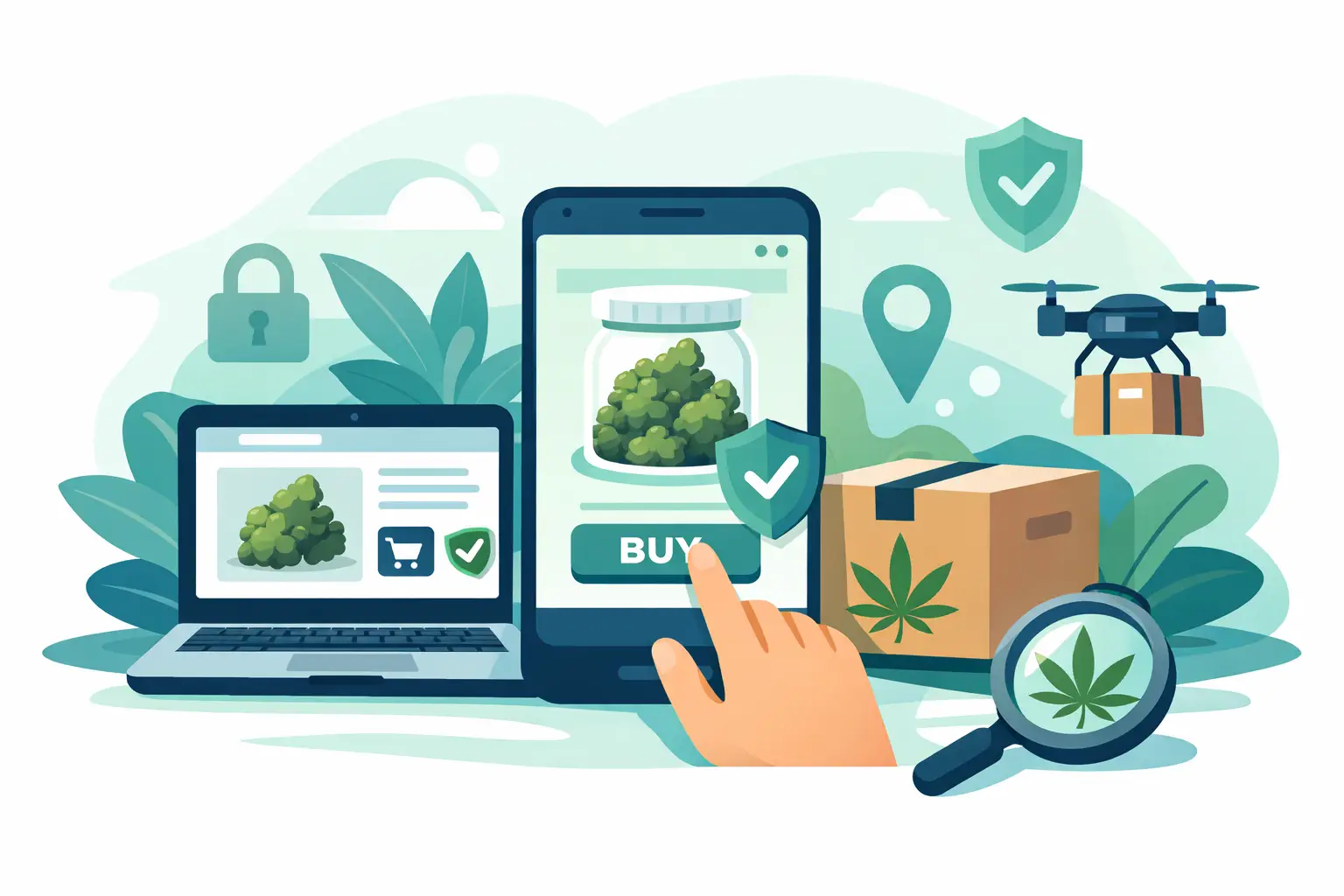
A loud product name, glossy bud photos and a promise of next-day delivery can make it tempting to buy cannabis flower online on the spot. But in the UK, the first question is not whether a strain sounds sweet, earthy or top shelf. It is whether the purchase is lawful, traceable and genuinely safe.
For adult consumers, that distinction matters. Cannabis flower can look premium while offering no reliable proof of what it contains, how it was stored or whether the seller is operating legally. Flavour is part of the experience, of course, but confidence should come before the checkout.
What UK buyers need to know first
Cannabis is a controlled drug in the UK. It is illegal to possess, supply or buy cannabis flower for recreational use, including through websites, social media accounts and messaging apps. Being over 18 does not make a recreational purchase legal, and discreet packaging does not change the law.
There is a legal route for some patients: cannabis-based products for medicinal use may be prescribed by a specialist doctor when clinically appropriate. These products should come through a legitimate medical pathway and a regulated pharmacy or dispensing service. That route can involve an assessment, prescription checks and product information that is tied to the patient, rather than a casual retail-style sale.
That may sound less exciting than a menu full of Candy Runtz-style names and punchy flavour notes, but it gives buyers something far more valuable: accountability. If a seller avoids clear questions about legal status, prescriptions, product origin or who is responsible for fulfilment, treat that as a hard stop.
Before you buy cannabis flower online, check the seller
A trustworthy online service should be able to explain exactly what it sells and under what legal basis. Vague claims such as “legal everywhere”, “for collectors only” or “no questions asked” are not reassurance. They are warning signs, especially when the item being offered is clearly intended for consumption.
For prescribed cannabis, look for a transparent process. A legitimate provider should identify the prescribing clinic or clinician, explain how dispensing works and provide appropriate patient support. There should be a real business identity, a way to contact the provider, clear terms and a credible complaints process. Fast answers are useful, but accurate answers matter more.
Take a moment to assess how the business handles payment and personal data as well. Secure checkout pages, privacy information and clear order records are basic expectations. Never send photographs of identification, bank details or medical documents through an unsecured chat to an unverified account. A polished logo and a busy social feed are not evidence that a seller is legitimate.
Be especially cautious of sellers that insist on cryptocurrency, bank transfer to a personal name, gift cards or payment through friends and family. Those methods can leave you with little protection if nothing arrives, the product differs from the description or your financial information is misused.
Delivery promises are not a quality guarantee
Discreet post can be sensible for lawful, prescribed medicines, but “stealth shipping” is often used to make an unregulated purchase sound safer than it is. It is not a substitute for legality, proper dispensing or quality control.
Similarly, rapid processing is only a benefit when the underlying process is sound. A parcel landing quickly does not tell you whether the flower was mould-free, stored at the right humidity, accurately described or safe for you to use. The best service is one that can pair dependable delivery with clear provenance and professional support.
Product information should be specific, not just flashy
Cannabis flower is frequently marketed through flavour: berry, citrus, candy, gas, pine, cream or rich earth. Those descriptions can help adults understand a product’s sensory profile, but they should never be the entire story.
Where cannabis is lawfully supplied under a prescription, ask for meaningful product details. That includes the cultivar or product name, cannabinoid content, batch details, dispensing date, storage instructions and any information supplied for the patient. Potency should be stated clearly rather than hinted at with phrases such as “extra strong” or “top gear”.
The same rule applies to freshness. Flower that has been badly stored can lose aroma and quality, while excess moisture can raise concerns about mould. A very strong smell, dense appearance or colourful branding cannot confirm that a product has been handled properly. If you are unsure about a prescribed product’s condition, do not use it until you have spoken with the dispensing pharmacy or clinician.
Avoid treating high THC as a universal marker of quality. Higher potency can increase the chance of unwanted effects, particularly for people who are new to cannabis, sensitive to THC, taking certain medicines or managing anxiety or mental-health conditions. What suits one experienced consumer may be a poor fit for another. Medical decisions belong with a qualified prescriber who understands your circumstances.
Protect your privacy without ignoring the risks
Online ordering asks you to trust a company with personal details, payment information and sometimes medical data. Keep your digital footprint tight. Use a unique password for any account, enable available account security features and do not share order screenshots, prescription details or tracking information publicly.
Read the privacy wording rather than skipping straight to the basket. You should be able to understand what data is collected, why it is needed and how you can request help if something goes wrong. If the service has no clear contact details, no published terms and no responsible party behind it, there is little reason to hand over sensitive information.
For prescribed cannabis, delivery should also be planned responsibly. Make sure you can receive the parcel securely, keep the medication in its original labelled packaging and store it away from children, pets and visitors. Do not leave it in a hot car, a damp shed or anywhere it could be accessed by someone else.
Know when to pause and get advice
A good buying decision is sometimes choosing not to order. Pause if the seller cannot verify its status, product details conflict, prices look implausibly low, payment feels unusual or the service pressures you to act immediately. Real customer care does not rely on panic, countdown clocks or disappearing messages.
It is also worth pausing if cannabis has previously made you feel unwell, panicky, confused or paranoid. People with a personal or family history of psychosis, those who are pregnant or breastfeeding, and anyone taking regular medication should seek medical advice before considering prescribed cannabis. Do not drive, cycle, operate machinery or take workplace safety risks while impaired.
If you are already prescribed cannabis, use only as directed by your clinician. Do not share it, do not mix it casually with alcohol or other substances, and ask the prescriber or pharmacist about interactions and side effects. The most flavour-forward flower in the world is not worth a bad reaction or a preventable legal problem.
Choose certainty over hype
The online cannabis market can be full of bold strain names, slick packaging and big claims about strength, flavour and delivery speed. For UK buyers, the smart move is to separate the hype from the facts. Legal medical access, clear product information, secure handling of your data and accountable professional support are the standards that count.
If a purchase cannot meet those standards, leave it in the basket. The right kind of reassurance is not a flashy promise that a parcel will land tomorrow. It is knowing who supplied it, why it is appropriate for you and where to turn if you need help.