

A flower label showing 28% THC can look like top gear, but that number is only useful when you know what sits behind it. Understanding how cannabis potency is measured helps you compare flower, gummies, wax, moon rocks and vapes without falling for big figures alone. Potency matters, of course, but freshness, terpene profile, serving size and your own tolerance all shape the real experience.
How cannabis potency is measured in a lab
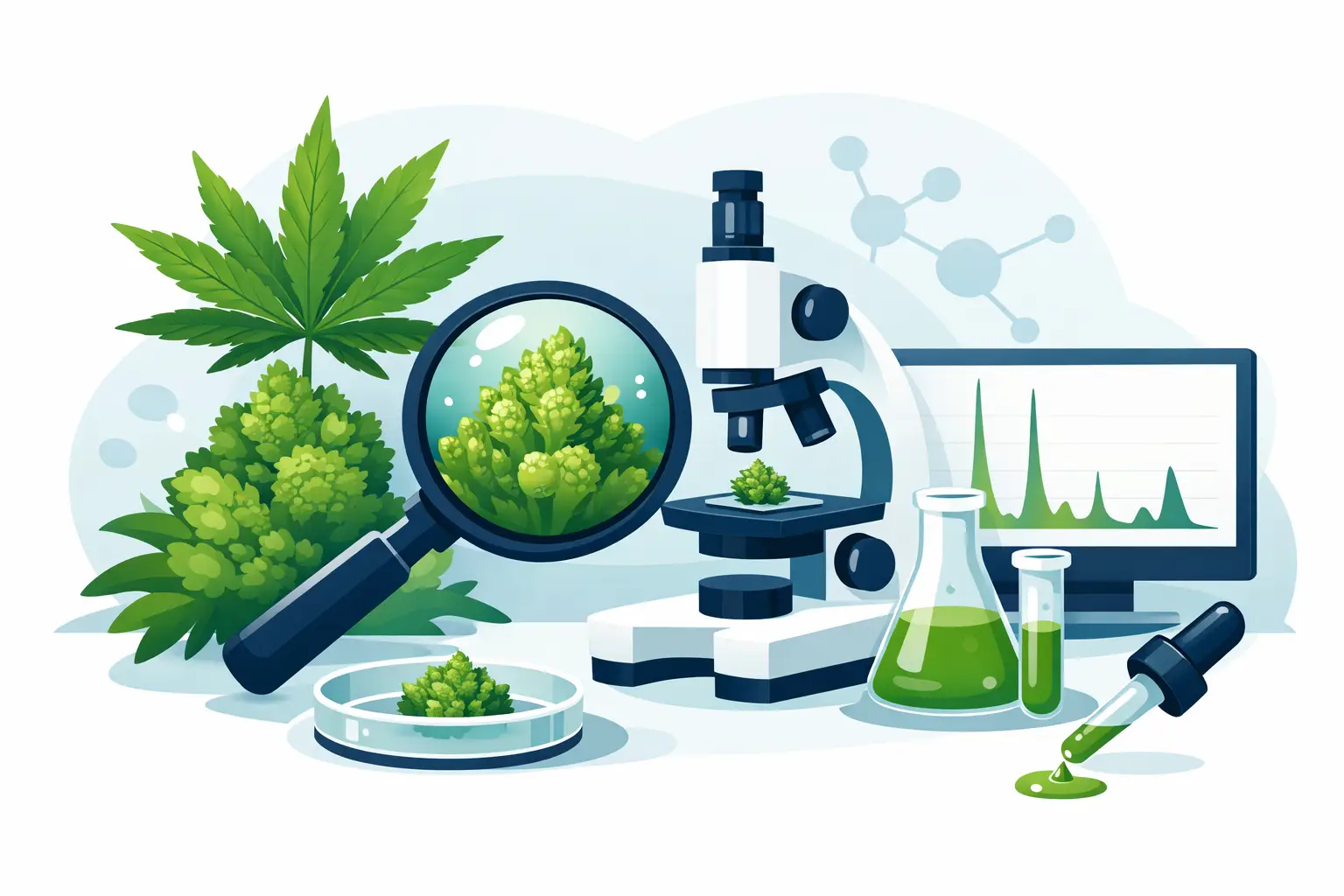
Cannabis potency is usually measured by testing a representative sample in a laboratory. The lab identifies and quantifies cannabinoids – the naturally occurring compounds in cannabis – then reports the result as a percentage or as milligrams.
For flower, the headline figure is normally a percentage by dry weight. If a dried cannabis flower tests at 20% THC, it contains roughly 200 milligrams of THC per gram of flower. A 3.5g pack at the same strength would contain around 700mg of THC in total, before combustion, decarboxylation and losses during use are considered.
That calculation is useful for comparison, not a guarantee of the exact amount that reaches you. Different buds in the same pack can vary. Moisture content, storage conditions and the size of the laboratory sample can all influence the final number. A trustworthy result is best treated as a well-tested batch estimate rather than a promise that every single nug hits identically.
The difference between THC and THCA
Fresh and cured cannabis flower contains a large amount of THCA, or tetrahydrocannabinolic acid. THCA is the acidic precursor to THC. When cannabis is heated, it converts into THC through a process called decarboxylation.
This is why some labels show both THCA and THC, alongside a figure called total THC. Labs commonly calculate total THC with this formula:
Total THC = THC + (THCA × 0.877)
The 0.877 factor accounts for the small change in molecular weight during conversion. If a flower tests at 25% THCA and 1% THC, its potential total THC is about 22.9%. It is a more meaningful number for anyone planning to smoke, vape or otherwise heat the product.
For concentrates and vapes, you may see THC listed directly at a much higher percentage. That is expected. Extracts remove much of the plant material, concentrating cannabinoids into a smaller amount of oil, wax, badder or resin.
Percentages make sense for flower and extracts
Percentages are the standard way to describe potency in flower, hash, concentrates and vape oils. They tell you how much of the product’s weight is made up by a specific cannabinoid.
A 15% THC flower has a very different profile from an 80% THC live-resin badder, but the figures cannot be compared as if they are the whole story. Flower is consumed in a larger volume and offers a broader mix of aromatic compounds. A dab-sized amount of extract can contain far more THC than a full bowl of flower, so the practical dose is what matters.
Here is the basic maths. One gram equals 1,000 milligrams. Therefore, a 1g extract at 80% THC contains approximately 800mg THC. A 1g flower at 20% THC contains approximately 200mg THC. The delivery method, amount used and individual tolerance determine how those totals feel.
High numbers can be appealing, especially with strains known for heavy-hitting reputations. Still, a well-cured, flavour-packed 20% flower may offer a more enjoyable session than a dry 30% sample with little aroma left. Potency without character is only half the package.
Why lab methods matter
Most potency testing uses high-performance liquid chromatography, often shortened to HPLC. This method can measure THC, THCA, CBD, CBDA and other cannabinoids without heating the sample first. That makes it particularly useful for separating the acidic and neutral forms accurately.
Some testing methods use gas chromatography, which heats the sample during analysis. Because heat converts THCA into THC, the way results are reported can differ. A proper certificate of analysis should make clear which cannabinoids were tested and whether the headline number refers to THC, THCA or total THC.
Batch testing also matters. A meaningful test result should relate to the batch you are buying, rather than a generic strain average pulled from somewhere else. Growing conditions, phenotype, harvest timing and cure can all shift cannabinoid levels, even when the strain name stays the same.
Why edibles are measured in milligrams
Edibles work differently. A gummy, chocolate or drink is normally labelled in milligrams of THC per piece and per pack, not as a percentage. That is because people consume a defined serving rather than weighing out plant material.
For example, a pack might contain ten gummies at 10mg THC each, for 100mg THC total. The 10mg-per-gummy figure is the key number when deciding your serving. Newer consumers may prefer to start lower, while experienced consumers still need to account for how edibles can feel stronger and last longer than inhaled products.
Edibles are processed through the digestive system and liver, which changes both the onset and the character of the effects. They can take considerably longer to come on than smoking or vaping, sometimes one to two hours or more. Taking more too soon is the classic avoidable mistake. Give the first serving time before deciding whether it was enough.
Consistency is the goal with a quality edible. A 10mg gummy should be close to 10mg from one piece to the next, not a lucky dip where one sweet barely registers and the next sends the evening sideways.
Terpenes affect more than flavour
THC gets the headline, but terpenes deserve their place on the label. These aromatic compounds contribute the sweet, fruity, creamy, earthy and gassy notes that make strains memorable. They may also influence the overall character of the experience alongside cannabinoids, although the science around those interactions is still developing.
A Candy Runtz-style profile might lean loud, sweet and fruit-forward, while a Colombian Gold-inspired flower can bring brighter herbal or earthy notes. Two products with the same THC percentage can smell, taste and feel distinctly different because their terpene content is not the same.
Terpenes are delicate. Poor curing, excess heat and old stock can strip away aroma well before the THC number changes dramatically. That is why fresh handling and careful storage are part of quality, not just nice extras for flavour chasers. Keep cannabis sealed, cool and away from direct light to protect both its aroma and its condition.
Potency labels have limits
A potency label is valuable, but it should not be read with false precision. A listed 26% THC result does not mean every inhalation delivers exactly the same amount. Combustion destroys some cannabinoids, vaping temperature changes extraction, and different people inhale differently.
Your tolerance is another major variable. Someone who uses cannabis regularly may find a 20% flower manageable, while an occasional consumer may find the same product intense. Food, fatigue, mood, medication and setting can all change the experience too.
Watch for labels that only shout the highest possible number without explaining the unit or the batch. A reliable product description should distinguish between percentage and milligrams, specify whether the figure is per serving or per pack where relevant, and avoid treating potency as the only marker of quality.
Choosing strength without chasing the biggest number
The smartest choice starts with the format. Flower provides a slower, more adjustable route for many people, while concentrates and high-strength vape oils are far more concentrated. Edibles offer measured servings but require patience. Moon rocks can combine potent flower, oil and kief, so they deserve extra respect even from seasoned smokers.
Then think about the experience you actually want. If rich flavour and a relaxed evening are the priority, a fresh, aromatic flower with a balanced THC level may beat the strongest item on the menu. If you already know your comfort zone, compare cannabinoid content by gram or by serving rather than relying on strain hype alone.
Potency should make you more informed, not push you into a bigger dose than you wanted. Check the figure, understand the format, start where you are comfortable and give quality, flavour and freshness the same attention as the THC on the label.