

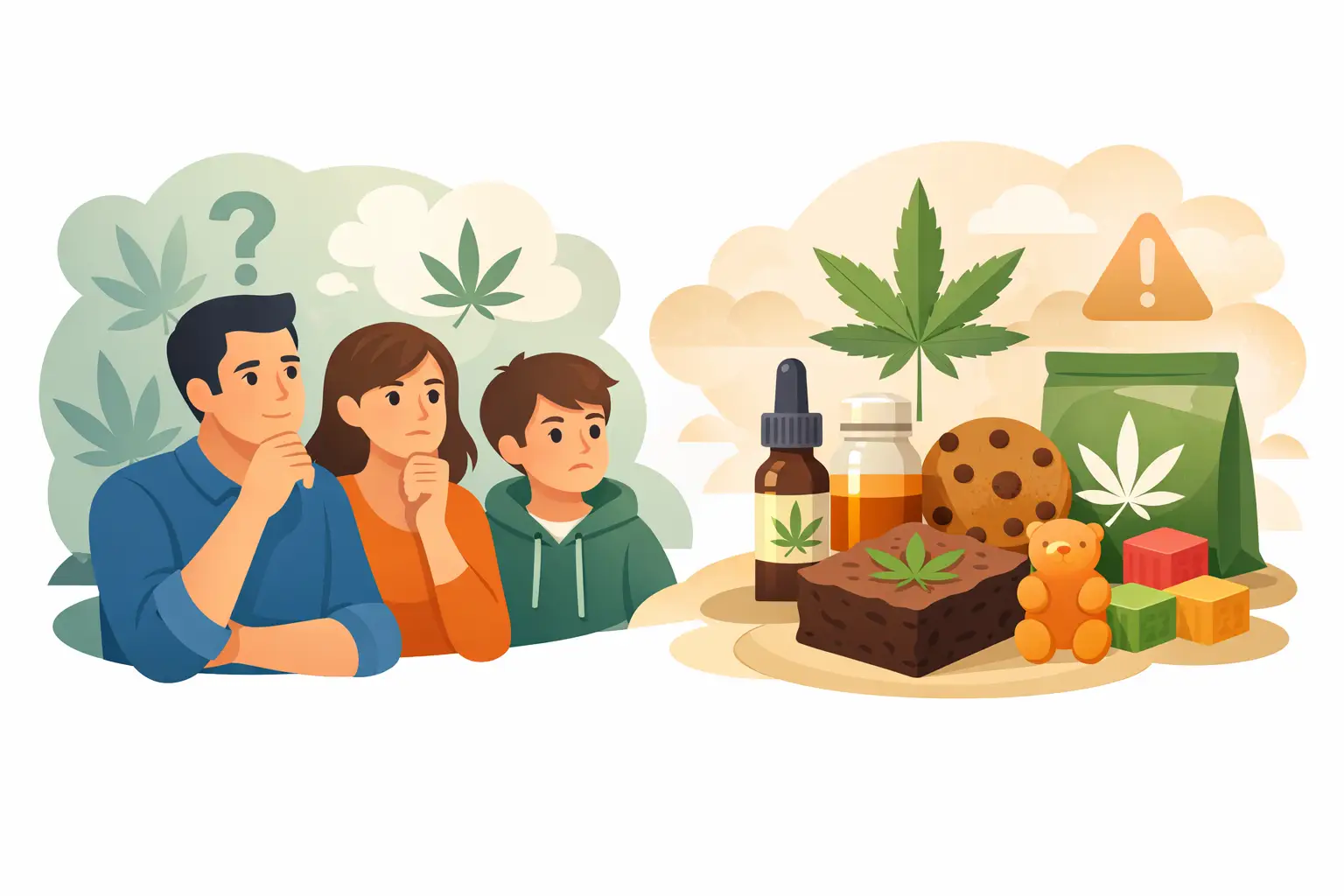
A sweet, fruit-packed edible can feel deceptively casual. That is the point at which family high edibles deserve a little more respect than the average bag of sweets. The flavour may be all juicy berry, fizzy candy or rich chocolate, but THC edibles can arrive slowly and stay with you far longer than a quick smoke or vape.
For adults who enjoy cannabis, edibles can be a proper treat: discreet, flavour-led and built for a longer session. They also ask for patience. Knowing what is in the pack, when to stop, and where to store it makes the difference between a relaxed evening and one that feels far too intense.
Family high edibles are not ordinary sweets
The word “family” in a product name should never blur a basic safety rule: THC edibles are for informed adults only, and they must be kept completely separate from household food. Gummies, sour belts, brownies and chocolate bars are designed to be tempting. That makes clear labelling and secure storage non-negotiable, particularly in homes with children, teenagers, visitors or pets.
An edible’s appeal often starts with flavour. A well-made gummy can have a bright, sharp fruit profile; a chocolate edible may bring a smoother, richer finish. Yet the sensory experience should not distract from the strength declared on its packaging. Look for clear information about cannabinoid content, serving size and ingredients. If those details are vague, inconsistent or missing, that is not premium quality – it is uncertainty in a shiny wrapper.
For anyone avoiding certain ingredients, check for gelatine, milk, nuts and other allergens too. The strongest-looking pack is not automatically the right choice for the occasion or the person.
Why edibles can feel stronger than expected
With inhaled cannabis, effects are usually noticed fairly quickly. Edibles take a different route through the body. THC is processed through digestion and the liver before the full effects are felt, which means the wait can be longer and the experience may feel more physical, more immersive and more sustained.
That delay is where people get caught out. Someone eats a portion, feels little after a while, reaches for another, then finds both servings landing close together. It is an easy mistake, especially when the edible tastes excellent and the setting is social.
Food, metabolism, tolerance, sleep, stress and whether you have consumed alcohol can all change the experience. A person with plenty of experience of flower is not guaranteed to react predictably to an edible. Treating every new product as its own thing is the smarter move.
Patience is part of the experience
Start only with the clearly marked serving suggested on the product packaging and give it plenty of time before considering more. Do not play guesswork with a homemade-looking piece of chocolate or a gummy that has been split unevenly. Consistency matters, because it lets adults make informed decisions rather than hoping for the best.
Plan for a clear diary too. Edibles are a poor fit for a rushed night, a morning shift, school runs, appointments or any situation that may require you to be sharp. The after-effects can last into the next day for some people, particularly after a stronger or later-than-planned serving.
Set the scene before opening the pack
The best edible experiences tend to be deliberately low-pressure. Eat in a familiar, comfortable place, ideally after a normal meal, with water and uncomplicated snacks nearby. Choose company you trust, or enjoy your own space if that feels more relaxing. A quiet film, a favourite album or an easy-going chat beats a packed schedule.
Avoid mixing THC edibles with alcohol or other intoxicants. The combination can make impairment more difficult to judge and can increase nausea, dizziness, anxiety or confusion. If you take prescription medication, have a heart condition, are pregnant or breastfeeding, or have a personal or family history of psychosis, speak with an appropriate healthcare professional before using cannabis products.
Cannabis affects coordination, judgement and reaction times. Do not drive, cycle in traffic, operate machinery or take on safety-critical work after consuming an edible. In the UK, drug-driving laws are strict, and feeling “fine” is not a reliable test of whether you are fit to drive.
What to do if the high feels too big
Sometimes an edible simply hits harder than expected. The key is not to panic or add more substances in an attempt to change the feeling. Remind yourself that the effects are temporary, then get somewhere calm and safe.
Sip water, take slow breaths and reduce stimulation if noise, lights or conversation feel overwhelming. Having a sober, reassuring adult nearby can make a real difference. Do not leave someone alone if they are very distressed, confused or struggling to stay awake.
Seek urgent medical help if there is chest pain, difficulty breathing, a seizure, loss of consciousness, severe vomiting, dangerous behaviour, or concern that a child or pet has eaten a THC product. Be honest with medical professionals about what was consumed. Their priority is safe care, not judgement.
Storage is part of responsible enjoyment
Edibles need more thought than a jar left on the kitchen counter. Keep them in the original labelled packaging and store them in a locked cupboard, lockbox or other secure place out of sight and reach. Avoid putting cannabis gummies beside ordinary sweets, and never transfer them into a snack tub or unmarked bag.
A few habits make this much easier: consume only where you can keep the pack under control, count what remains before putting it away, and tell other adults in the household what the packaging is. If you share a flat, clear communication avoids accidental mix-ups. For parents and pet owners, the safest option is storage that requires a key or combination.
Heat and sunlight can also spoil texture and flavour. Follow the product’s storage guidance so the last piece tastes as fresh as the first, rather than turning sticky, melted or stale.
Buying with a clear head
Adult consumers should be cautious about any THC edible marketed without transparent product information. Packaging should make it straightforward to identify the product, understand its cannabinoid content and see the ingredients. Loud graphics and candy-shop appeal are not a substitute for reliable details.
It also pays to understand the legal position where you live. Recreational cannabis remains illegal in the UK, and rules around possession, supply and driving can carry serious consequences. A polished pack does not change the law. If you are considering cannabis for a medical reason, use appropriate clinical advice and lawful routes rather than self-prescribing through novelty sweets.
The real luxury with edibles is not chasing the biggest possible hit. It is knowing the product, giving it time and enjoying the flavour without letting the night get away from you. Keep it adult-only, keep it securely stored, and let patience do its job.